

Are Your Ear Problems Not Going Away?
Eustachian Tube Balloon Dilation
Eustachian Tube Dysfunction is a pain. Sometimes, medication or other remedies just isn’t enough.
Eustachian Tube Balloon Dilation is a non-invasive procedure with Davis ENT, aimed at solving your ear problems comfortably and permanently.
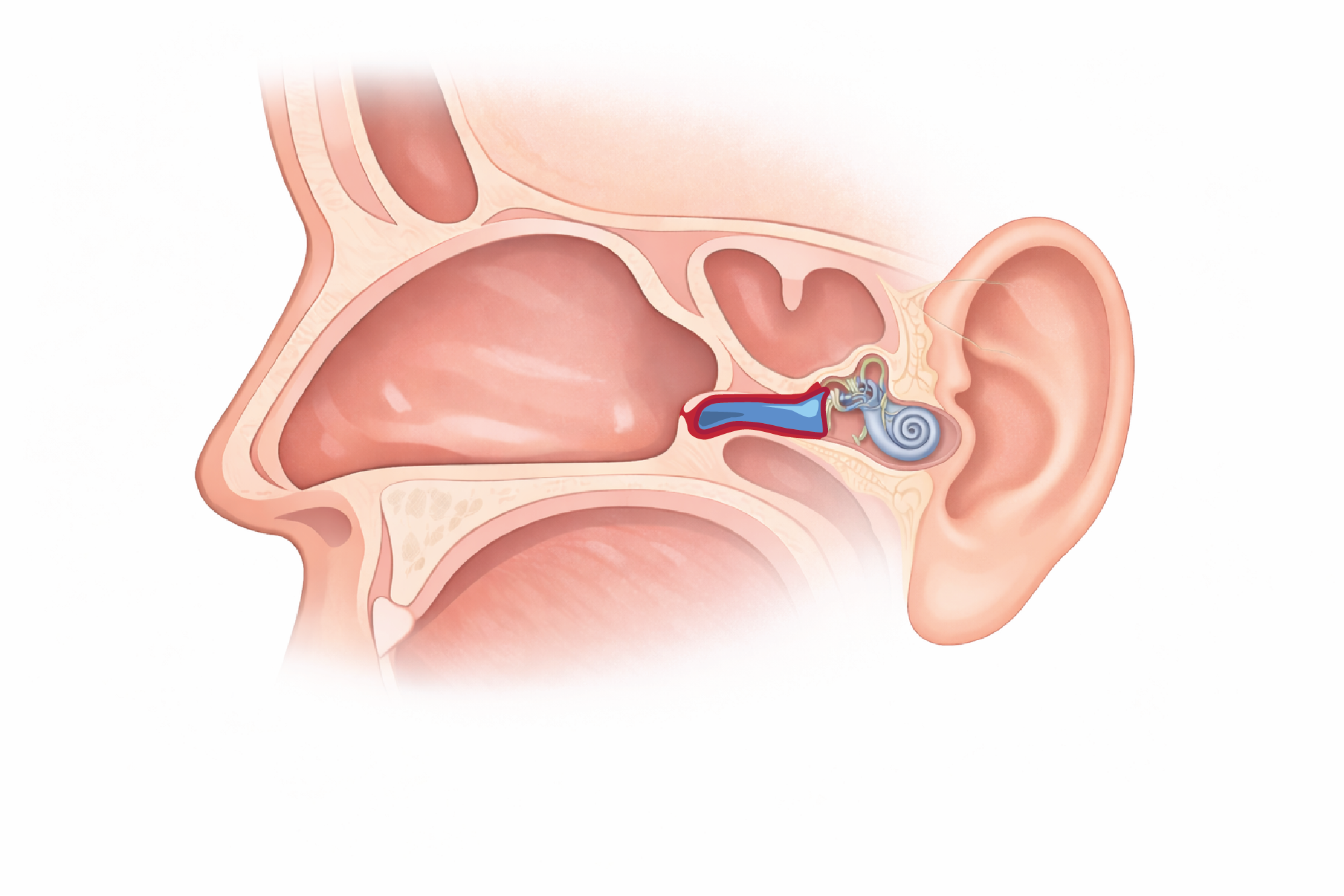
What Is Eustachian Tube Balloon Dilation?
Eustachian Tube Balloon Dilation is a minimally invasive procedure designed to dilate the eustachian tube of patients with continuous ETD (Eustachian Tube Dysfunction).
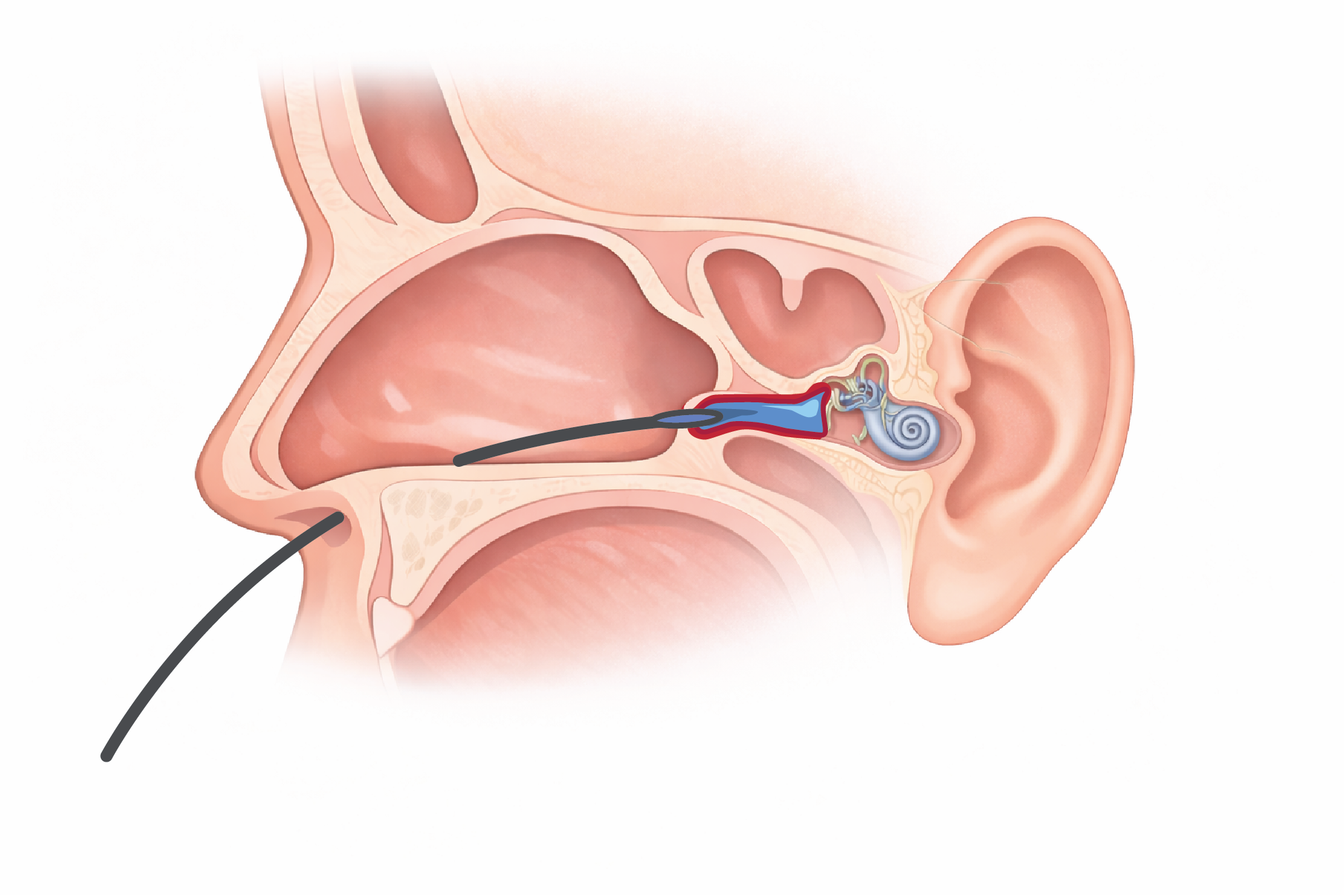
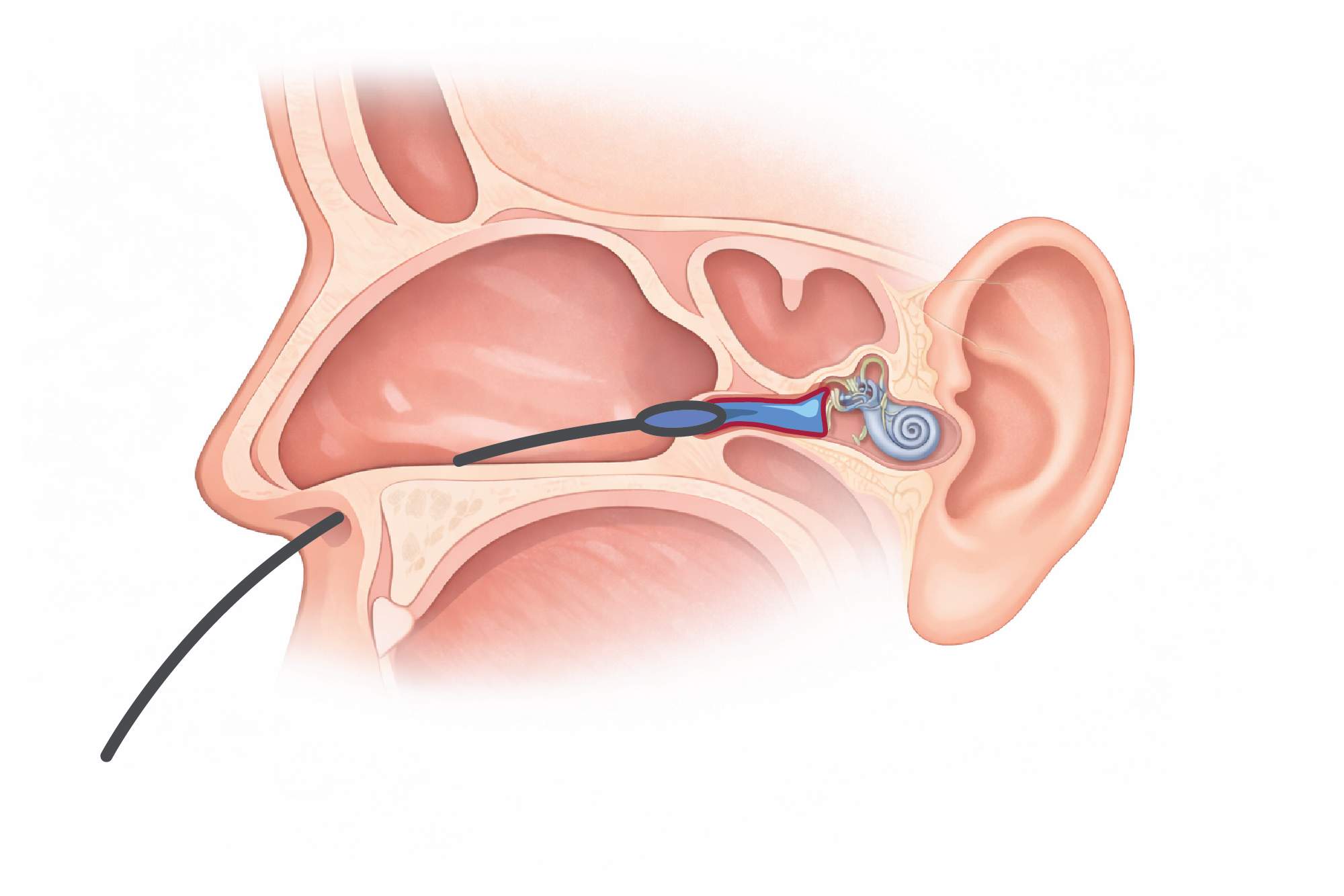
Using a special tool, a small balloon is inserted into the sinus and gently pushed through to the eustachian tube. The balloon is then inflated, properly dilating the eustachian tube and restoring proper drainage.
After inflation for around two minutes, the balloon is deflated. After deflation, it is removed.
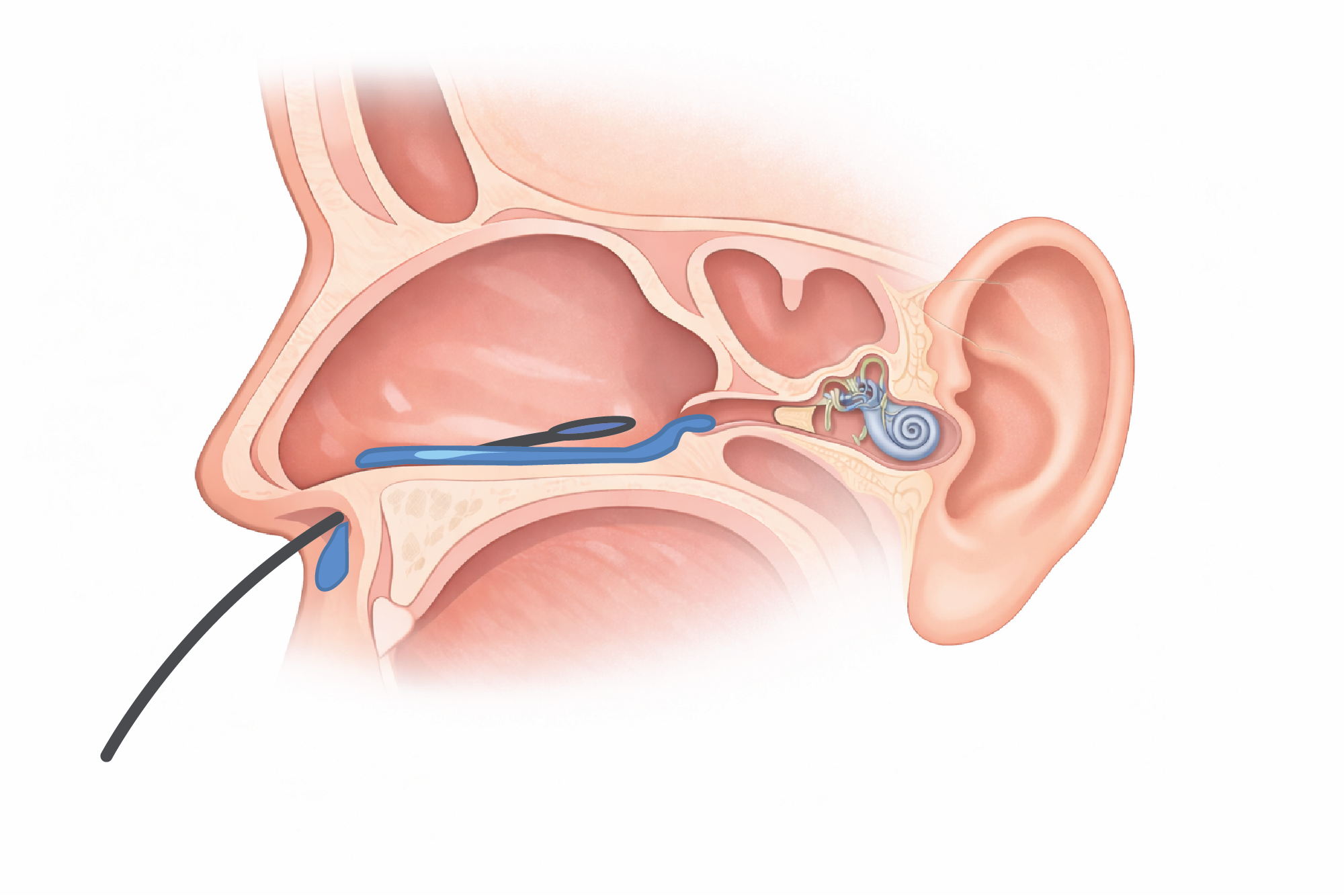
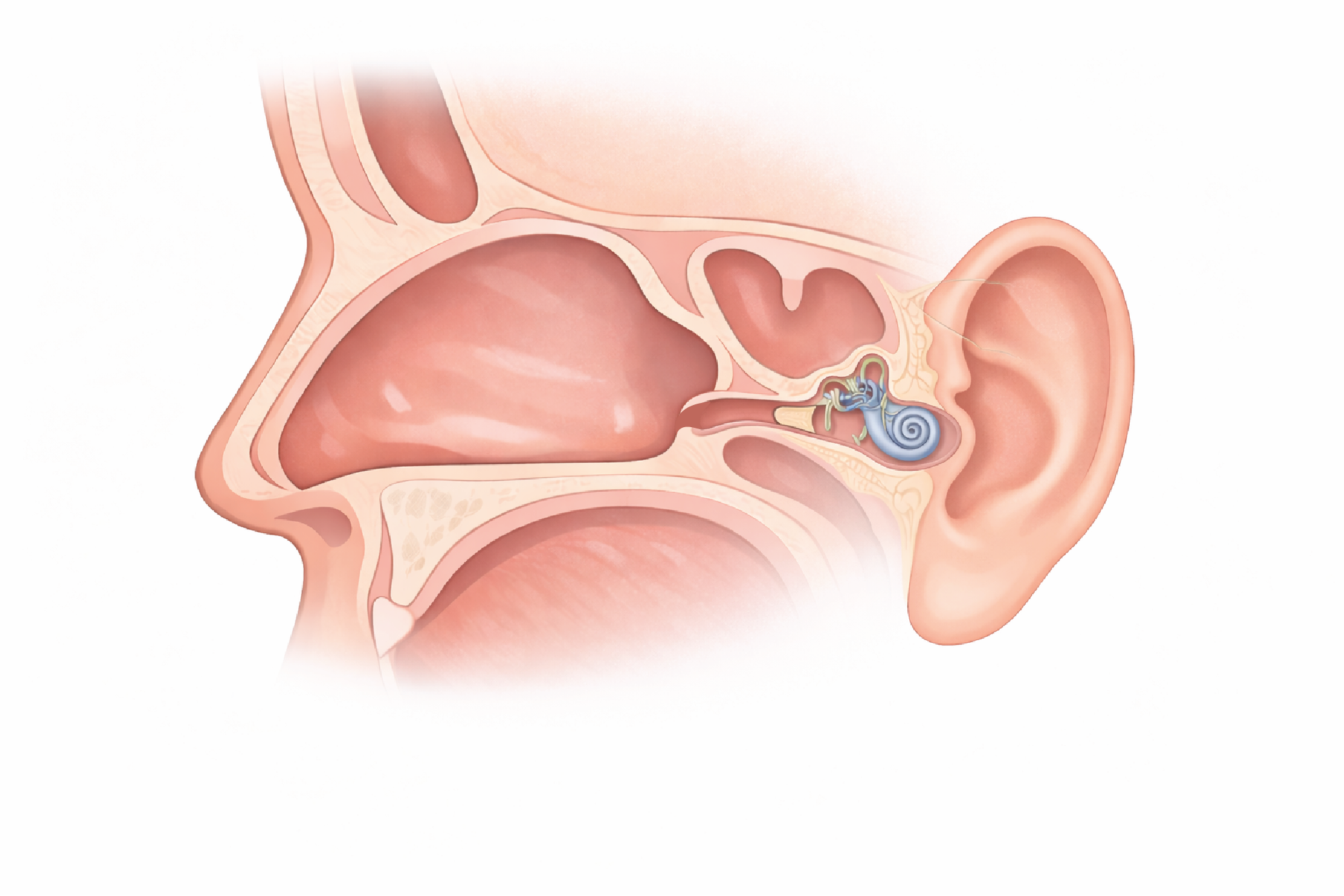
The whole procedure takes only a handful of minutes. On top of that, patients can leave that same day and continue with their normal lives; in many cases, no downtime is necessary.
Just like that, your ears are restored. In nearly all cases, pain is relieved, and other negative side effects of ETD will likely be permanently cured.
When Ear Relief Doesn’t Relieve
When your ear pain relief plans fail to get the job done, we may just have your perfect solution.
Why Choose Davis ENT?

70+ Five Star Google Reviews.
Don’t just take our word for it; check out some of the reviews of clients we’ve proudly served over the years.

Serving Wyoming Since 2011.
We’ve proudly service Gillette and beyond for over a decade. We love our community, and we’re honored to provide expert care to the people who have been so great to us for over 15 years.

Led by Dr. Davis, a Board-Certified ENT Specialist with decades of experience.
Dr. Davis is an expert in the field, ensuring that you will be treated with whatever the best treatment is for your particular situation. Dr. Davis is certified in:
-American Board of Otolaryngology - Head and Neck Surgery
-American Board of Sleep Medicine
-Fellowship Trained Allergist



Who Is Eustachian Tube Balloon Dilation For?
There are symptoms to look for when evaluating if you could be a good fit for Eustachian Tube Balloon Dilation.
Uncomfortable pressure in your ears
Persisting ear pain
Muffled hearing
Ear ringing on a regular basis
Crackling or popping noises in your ears
Your ears feel "under water” or clogged
Ear problems when you have a cold
Are you experiencing two or more of the above symptoms? You may have Eustachian Tube Dysfunction. You are a strong candidate for this procedure.
Contact us; we’d love to talk with you further.
Who It May Not Be For
This procedure is not for everybody. Here are some reasons that may indicate Eustachian Tube Balloon Dilation is not the procedure for you.
You have not yet been diagnosed with Eustachian Tube Dysfunction
You have ear problems that require more intense treatment
You have not tried normal ear medication or treatment yet
Are any of the three points above true for you? This procedure may not be the right move. Good news, though: we have other solutions available.
Give us a call; we want to help you.
What To Expect With Eustachian Tube Balloon Dilation
If you think this procedure may be for you, here is what you can expect throughout the Davis ENT Eustachian Tube Balloon Dilation process.
Initial Consult
First, we want to meet with you to evaluate your ears, discuss your symptoms, and talk about treatment options. We will not perform the Eustachian Tube Balloon Dilation procedure on you if there are better treatment options available. If the procedure is the correct move for you, we will schedule an available time to perform the procedure.
Procedure Day
Your actual procedure will consist of two main steps.
1: The application process of local anesthesia. Using one of several possibilities, Dr. Davis will apply decongestant and numbing medicine to the inside of your nose in order to give you maximum comfort during your procedure. After applying the numbing medicine and decongestant, Dr. Davis will wait a number of minutes in order to give the anesthesia time to set in and get its full effect.
Length of this step: around 30 minutes
2: The Eustachian Tube Balloon Dilation process. Using a thin tool, Dr. Davis will insert a small balloon into your eustachian tube through your sinus, inflate the balloon (which takes around 5 seconds) in order to open the pathway/rejuvenate the drainage system of your ear, and then deflate the balloon. The balloon will be removed from your ear; nothing will remain in your ear after this procedure.
Length of this step: under 5 minutes
Recovery
Now that your procedure is complete, the recovery process begins. The good news? This procedure requires little or no downtime. Dr. Davis will evaluate your ears, prescribe you appropriate downtime (ranging from no downtime to a few days of refraining from intense physical activity), and have you out of the office within a few minutes.
-
Before the Eustachian Tube Balloon Dilation procedure begins, numbing is applied inside the sinus. This numbing creates a comfortable and typically painless experience. Some procedures may cause uncomfortability, but the procedure usually involves little to no pain.
-
In order to determine if you quality for this procedure, scheduling a consult with Dr. Davis is the best approach. From this consult, Dr. Davis will determine if this procedure is right for you and if you qualify on an insurance basis.
-
Call us! Click the “Schedule Your Consult” button below this FAQ section, or you can call us manually at (307) 686-7346.
-
Yes, we take most major insurance plans for the Eustachian Tube Balloon Dilation procedure. With that being said, to ensure that your insurance will cover this procedure, please reach out and schedule a consult.
-
In most cases, you can return to your normal living rhythm as soon as you leave the office! In certain cases, Dr. Davis may prescribe you to avoid strenuous physical activity for a short period of time (a few days max).